
February 23, 2026

What Sits Behind a High-Quality Piano Lesson

If every piano lesson looks different, how do you know the teaching is high quality?


Some weeks your child is focused and confident. Other weeks they may be tired, distracted, fidgety, or need more encouragement especially when they’re young.


That variation is completely normal.


High-quality piano teaching isn’t about every lesson looking the same. It’s about having the right support, structure, and professional oversight in place so learning continues through those natural ups and downs.


What makes the difference often isn’t what happens in a single 30-minute lesson, it's everything working quietly behind the scenes to ensure consistency, care, and long-term progress.


Teaching as a Profession, Not in Isolation


In professional settings, teachers don’t work in silos and high-quality piano teaching is no different.


Rather than operating alone, teachers work within a shared framework where:


  • Expectations are aligned
  • Teaching approaches are discussed and refined
  • Progress is viewed over time, not lesson by lesson


This doesn’t limit individuality or creativity, it strengthens it. It means your child benefits from collective experience, shared standards, and continuity, rather than relying on one isolated perspective.


The Role of Headteacher Oversight


Alongside the class teacher, there is also a headteacher who oversees someone who understands your child’s learning journey beyond a single lesson.


This provides:


  • Consistency across weeks and terms
  • A second professional perspective when needed
  • Clear continuity if changes ever occur

For parents, this means reassurance. For children, it means stability.


Clear Structure Without Rigidity


High-quality piano lessons are supported by:


  • Clear learning pathways
  • Age-appropriate expectations
  • Thoughtful pacing


This allows teachers to adapt lessons when children are tired, distracted, or having an off week without losing direction. Structure doesn’t mean pressure. It means your child’s learning always has purpose.


Why This Matters for Your Child


When lessons are supported by systems rather than chance:


  • Progress is steadier
  • Confidence is protected
  • Learning continues even during busy phases


A high-quality piano lesson is never just about what happens in the room.


It’s about the support surrounding it.


If you ever want to understand how your child’s learning is supported behind the scenes, we’re always happy to explain.


If you have any questions feel free to reach out and ask us!
February 16, 2026
From the outside, piano lessons can look simple: a weekly session, a teacher, and some practice at home. But what parents are really investing in extends far beyond those visible moments. Here’s what piano lessons include even when it’s happening quietly in the background. Ongoing Professional Thought Each lesson is shaped by more than the piece being played. Teachers consider: How your child responded last week Their confidence and energy levels What pace suits them right now Lessons are adjusted continuously and not delivered on autopilot. Long-Term Progress Planning Progress isn’t just about moving forward in a book. It includes: Developing independence Building coordination and listening skills Learning how to practise effectively Strong foundations now prevent frustration later. Emotional Guidance as Part of Learning Children learn through various approaches, depending on the child. High-quality teaching includes: Encouraging effort over perfection Normalising mistakes Supporting confidence during “wobbly” phases This emotional guidance often determines whether children continue learning long-term. Support Beyond the Lesson Behind each lesson is: Teacher reflection Professional discussion Oversight from the wider teaching team This ensures consistency and continuity even as children grow, change, or go through busy school periods. Why This Matters When you invest in piano lessons, you’re investing in: Stability Thoughtful teaching Long-term development What you don’t always see is often what protects progress the most.  If you have any questions feel free to reach out and ask us!
February 8, 2026
“I want to be involved… but I don’t know what to ask.” Many parents tell us they hesitate to speak to their child’s piano teacher because they don’t read music or understand technical terms. They worry about asking the “wrong” question or sounding uninformed. The good news? You don’t need musical knowledge to have meaningful, helpful conversations. In fact, some of the most valuable questions are non-musical and they often reveal far more about your child’s progress than notes or grades. Here are five confidence-building questions, what each one tells you, and when to ask them. 1. “What is my child doing more confidently than before?” What this reveals: Confidence is one of the strongest indicators of long-term progress. This question helps you understand: Emotional growth Comfort at the piano Willingness to try independently Teachers may mention things like starting without hesitation, recovering from mistakes, or engaging more openly in lessons. When to ask: After 3-4 months, or whenever you’re unsure if progress is happening. 2️. “What’s one small thing we should notice improving over the next few lessons?” What this reveals: This gives you a clear checkpoint to look out for at home without pressure. It might be: Finding hand position independently Playing through a section without stopping Beginning a piece without help These small wins are often more meaningful than moving quickly through pieces. When to ask: At the start of a new term or after a holiday break. 3️. “How can we best support practice at home this month?” What this reveals: Support doesn’t mean correcting notes - it means reinforcing routines and expectations. The teacher may suggest: Keeping practice short and focused Encouraging a confident start Using the same language they use in lessons This question helps parents and teachers stay aligned and reduces frustration on both sides. When to ask: When practice starts to feel inconsistent or tense. 4. “What should we not worry about right now?” What this reveals: This is a powerful reassurance question. Teachers can help you let go of: Perfection Comparing progress to others Rushing ahead too soon Understanding what’s normal at your child’s stage can instantly reduce anxiety. When to ask: Any time doubts creep in especially if you’re comparing your child to others. 5. “How will we know when they’re ready for the next step?” What this reveals: Progress isn’t just about books or grades it’s about readiness. This question clarifies: What skills need to be secure first How confidence and consistency factor in Why waiting can sometimes be beneficial It also shows your child that progress is thoughtful and earned, not rushed. When to ask: Before discussing grades, longer lessons, or changes in structure. A Reassuring Note for Parents You don’t need to ask many questions just the right ones. Open, non-musical questions: Build trust with the teacher Give you clarity and confidence Help your child feel supported rather than pressured Remember: teachers value engaged parents not musical ones. If you’re ever unsure what to ask, start with curiosity rather than correctness. A simple, honest question often leads to the most helpful conversation.  If you have any questions feel free to reach out and ask us!
By Priyesh Vaghjiani February 2, 2026
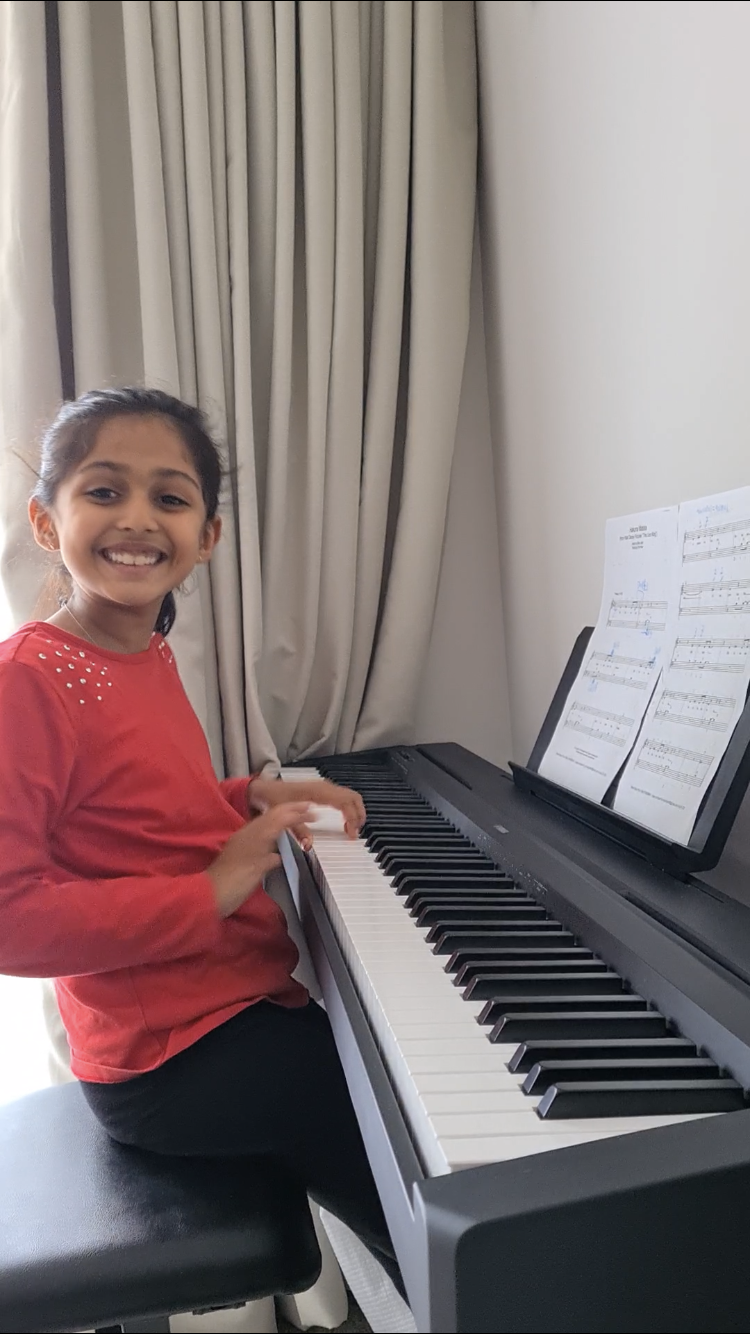
If you’ve ever had this thought, you’re not alone. Many parents tell us the same thing: “I want to support my child’s piano learning, but I don’t read music and I don’t play the piano so I’m not sure what I should be looking for.” Tip One: Notice How They Approach the Piano (Not Just What They Play) Progress doesn’t always sound obvious, especially in the early years. Instead of listening for “perfect notes,” try observing: Do they sit down more calmly and confidently than before? Do they begin playing with less hesitation? Do they seem clearer about where to place their hands? These small changes tell us a lot. They show growing familiarity, comfort, and confidence - foundations that matter far more than speed or difficulty at this stage. When practice feels easier or less emotional than it used to, that is progress. Tip Two: Capture Progress Through “Before vs After” Videos For non-musical parents, videos are one of the clearest ways to see progress over time. How to do it: Record your child playing a short piece or exercise Record the same piece again 5-6 lessons later (or when the teacher says it’s “finished”) You’re not looking for perfection. Instead, notice: Confidence: Are they more willing to start? Independence: Do they find their starting position faster? Flow: Are there fewer stops or restarts? Even small improvements matter especially in the first few years of learning. Keep these videos private. They’re not for comparison with others, they're a reminder of how far your child has come. Tip Three: Ask for One Clear “Checkpoint” to Look Out For Progress doesn’t always mean moving up a level or starting a new book. For younger learners, it often shows up as: Starting a piece without prompting Finding hand position independently Playing through without stopping Feeling confident playing for someone else A helpful question to ask the teacher is: “What’s one thing we should notice improving over the next few lessons?” This gives you clarity, keeps expectations realistic, and helps you support practice at home without pressure. A Reassuring Note for Parents Between ages 6–9, piano progress is often gradual and subtle and that’s exactly how it should be. Confidence, comfort at the keyboard, and smoother transitions are just as important as notes and rhythm. By observing small changes, celebrating milestones, and staying aligned with your child’s teacher, you’re already playing a vital role in their musical journey even if you’ve never played the piano yourself. If you have any questions please feel free to reach out!
More Posts