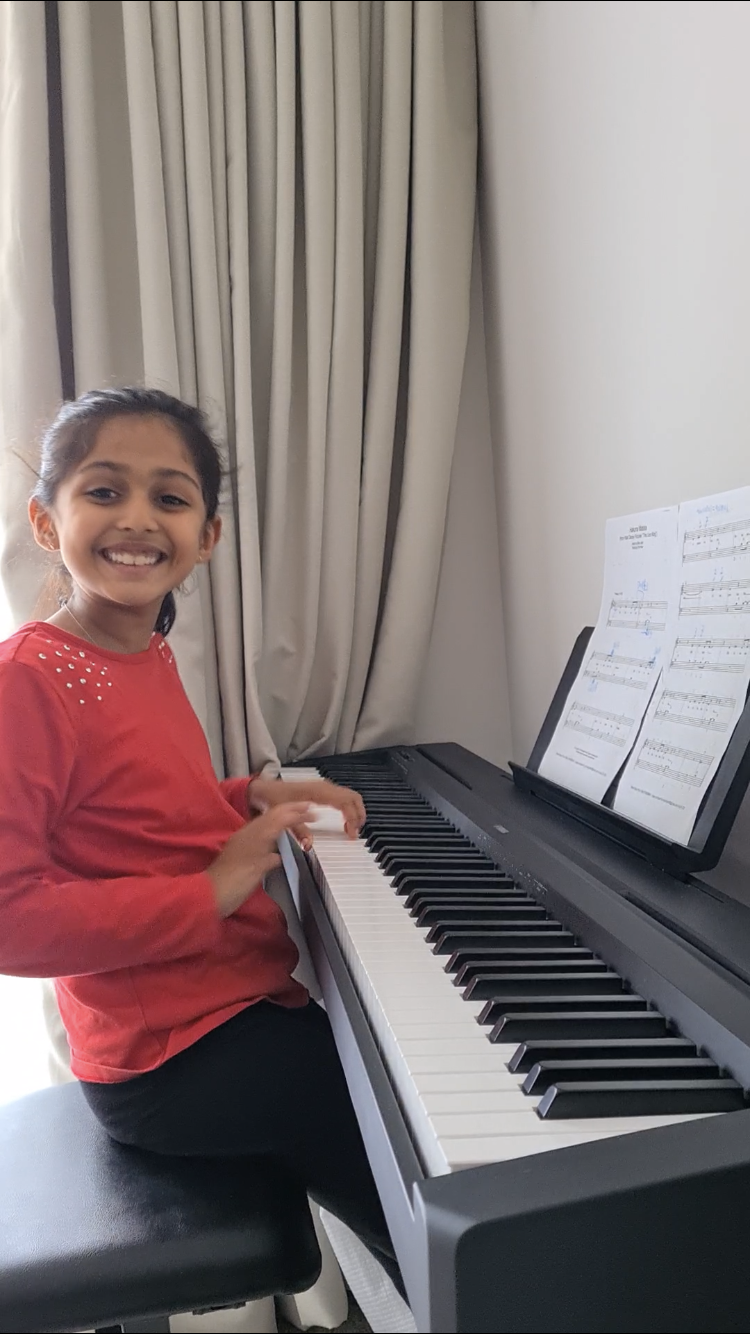
Reshmi Patel • December 23, 2024

Improve Communication, Confidence and Build a Community through Learning to Play the Piano

What if learning the piano could do more than teach you music - what if it could build your confidence, enhance communication, and connect you with a supportive community? At Key Sounds UK, we believe in nurturing not only musicians but also well-rounded individuals. Whether you’re a beginner or looking to sharpen your skills, we’re here to inspire, encourage, and guide you every step of the way.


Why Key Sounds UK Stands Out


At Key Sounds UK, we offer so much more than piano lessons:


1. Confidence Through Music Learning piano is a journey of discovery and growth. Our lessons are designed to empower students with the confidence to express themselves, tackle challenges, and achieve their goals—both on and off the keyboard.


2. Enhanced Communication Skills Music is a language, and through learning to play, our students develop skills that translate into better communication and self-expression. From collaborative performances to one-on-one instruction, we focus on building interpersonal skills alongside musical ones.


3. A Thriving Community At Key Sounds UK, you’re not just a student—you’re part of a supportive, welcoming family. Our community of teachers, students, and families encourages collaboration, friendship, and shared passion for music.


4. Personalized Resources for Growth Every student has unique strengths and areas to improve. That’s why we provide tailored resources to help you master tricky topics, strengthen techniques, and overcome challenges. Your growth is our priority.


5. Parents’ Peace of Mind We know how important it is for parents to feel involved and supported. As one of our happy parents, Anjali Deo, shares: “We can’t speak highly enough of the amazing effort they put in to motivate, encourage, and inspire children to learn the piano. We have seen continual development, and as parents, our job is made extremely easy.”


Join Us and Begin Your Journey


Whether you’re looking to learn a new skill, develop your artistry, or find a supportive musical community, Key Sounds UK is here to help you succeed. With a team dedicated to motivating and inspiring students, we’ll help you unlock your full potential and enjoy every step of your musical journey.


Get in touch to find out more information here: www.keysoundsuk.com/contact
January 23, 2026
“We’ve been doing lessons for a while… but how do I know if it’s actually working?” This is one of the most common and completely valid questions parents ask themselves, especially if they’re not musical. Progress in piano doesn’t always look or sound obvious in the early stages. Unlike some activities, results aren’t instant and that can feel worrying when you’re investing time, money, and emotional energy into your child’s learning. The reassuring news? Most healthy musical progress happens quietly before it becomes obvious. Here’s what to realistically expect over time and when not to worry. What Progress Often Looks Like around 3-6 Months(if they began as a beginner) At this stage, progress is mostly about settling in. You might notice: Your child feels more comfortable sitting at the piano They recognise lesson routines They’re starting to listen more carefully, even if notes aren’t perfect What’s normal here: Hesitation Needing reminders and support This isn’t slow progress, it's foundation-building. What Progress Often Looks Like at 7-12 Months This is when progress becomes clearer to most parents. You may notice: Greater independence Less hesitation when playing Improved posture and focus Pride in what they can play Not every child is ready for grades at this stage and that’s perfectly fine.Your child is learning how to learn and that skill takes time. Strong foundations now often lead to faster, more confident progress later. If you have any questions please feel free to reach out!
January 16, 2026
“They’ve had a long day… should we still push through practice?” Many parents feel torn between supporting consistency and respecting their child’s energy levels especially during busy school weeks. The truth is: Tiredness doesn’t mean lack of commitment. It often means your child’s brain needs a different approach. Here’s how to handle it without guilt or pressure. It’s reasonable to adjust expectations when: Your child is overwhelmed with school or clubs They’re emotionally exhausted Concentration is unusually low Short, calm practice is far more valuable than long, frustrated sessions. Sometimes: 5 focused minutes beats 20 stressed ones Listening to a piece counts as engagement Talking about the lesson reinforces learning How Teachers Adapt During Busy Periods Good teachers expect fluctuations in energy. During tiring phases, lessons may focus more on: Confidence and comfort Reinforcing known material Gentle technical reminders Enjoyment and connection to music This doesn’t slow progress, it protects it. How Parents Can Communicate This Proactively One of the most helpful things you can say is: “It’s been a heavy week. Please let us know what’s realistic to focus on.” This allows the teacher to: Adjust expectations Support your child emotionally Keep progress aligned without pressure You’re not letting anyone down you’re advocating. What Matters Most Long-Term Children who feel supported (not pushed) are more likely to: Stick with lessons Build confidence Develop a healthy relationship with learning Music is a long journey - not a sprint. A Gentle Reminder for Parents Rest, flexibility, and understanding are not signs you are supporting them.  If you’re unsure how to balance tiredness with consistency, we’re always happy to help you find a rhythm that works for your family. If you have any questions please feel free to reach out!
January 12, 2026
Many parents tell us the same thing: “I want to support my child’s piano learning but I’m not musical, so I don’t know what to look for.” The truth is, you don’t need to read music or play the piano to be a huge part of your child’s progress. What matters most is how you observe, encourage and communicate, not your musical knowledge. Here are three simple, practical ways to stay involved and confident. 1️. Sit In on Lessons (Even Occasionally) You don’t need to attend every lesson -just sitting in from time to time can make a big difference. When you observe a lesson, you begin to notice: How your child is guided to sit and place their hands How the teacher breaks tasks into small, achievable steps The language and cues your child responds to Sit in for 10-15 minutes once every few weeks. This is to absorb rather than to assess. This helps you support practice at home using the same language the teacher uses. 2. Record a “Before vs After” Video One of the clearest ways to see progress - especially for non-musical parents - is through short videos. How it works: Record your child playing a song or exercise Then record the same song or exercise 5–6 lessons later, or on the day the teacher says it’s “finished” You’re not looking for perfection. Instead, notice small but meaningful changes: Confidence: Do they sit more comfortably and start playing more willingly? Hand position: Do they find their starting position more quickly? Flow: Are there fewer pauses or gaps in the music? Even tiny improvements are signs of progress - especially at this stage of learning Keep the video private. This isn’t for comparison with others - it’s simply a reminder of how far your child has come. 3. Set Simple Checkpoint Goals With the Teacher Progress doesn’t always mean “moving up a level”. For younger learners, it often shows up in skills and habits. Setting small checkpoint goals helps you know what to look out for at home. Examples of helpful checkpoint goals: “Starting the piece without help” “Finding hand position independently” “Playing through without stopping” “Feeling confident playing for someone else” Ask the teacher: “What’s one thing we should notice improving over the next few lessons?” This gives you clarity and keeps expectations realistic. A Reassuring Note for Parents At ages 6–8, piano progress is often gradual and subtle and that’s exactly how it should be. Confidence, comfort at the keyboard, and smoother transitions are just as important as notes and rhythms. By observing, recording small milestones, and staying aligned with the teacher, you’re already playing a vital role in your child’s musical journey even if you’ve never played a note yourself.  If you have any questions please feel free to reach out!
More Posts