
March 16, 2026

Busy Families, Consistent Progress: How We Make Both Work

Between work commitments, school schedules, sports matches, parents’ evenings, birthday parties, and family time, life moves quickly.


Many parents quietly wonder:


  • “We’re committed to piano… but what happens when real life gets in the way?”
  • “I don’t want to lose money if something clashes.”
  • “Will this add stress to our week?”
  • “Can we stay consistent without being rigid?”


These are completely valid questions.


Children make the best musical progress when lessons are consistent. But families thrive when there’s understanding and flexibility.


We believe you shouldn’t have to choose between the two.


Consistency Matters - And So Does Real Life


Weekly lessons provide:


  • Structure
  • Momentum
  • Confidence-building routine


Children progress best when learning is predictable and steady.


At the same time, childhood includes:


  • School events
  • Sports fixtures
  • Religious celebrations
  • Family commitments
  • Occasional unexpected changes


A rigid system ignores this reality. A loose system loses progress.


The balance is thoughtful flexibility.


Our Rescheduling Approach (Without Financial Pressure)


One of the things parents often say they appreciate most is this:


When you inform us in advance, we do not charge for lessons that are responsibly rescheduled.


That means if there’s:


  • A parents’ evening
  • A school production
  • A sports match
  • A pre-planned family commitment


We work with you to:


  • Move the lesson to another available time
  • Reschedule within the same week where possible
  • Maintain your child’s progress


Clear communication is all we ask.


We want families to feel supported, not penalised for normal life events.


School Holidays Shouldn’t Disrupt Progress


After-school routines change during holidays.


Rather than forcing lessons into busy evenings, we often offer:


  • Daytime lesson options
  • Alternative slots
  • Flexible adjustments that suit family rhythm


This helps children:


  • Maintain momentum
  • Avoid long gaps
  • Stay connected to learning


And it helps parents avoid that feeling of:


“We’ve fallen behind.”


Structure With Stability


Flexibility only works when there is structure underneath it.


Behind each lesson is:


  • Clear long-term planning
  • Oversight from a wider teaching framework
  • Thoughtful tracking of progress


So even when a lesson is moved, your child’s learning journey remains steady.


Occasional adjustments do not disrupt progress. Lack of communication does and we keep communication open and easy.


What This Means for You


It means:


You can commit to piano lessons without feeling trapped. 


You can manage school life without guilt.


You can prioritise both growth and family rhythm.


Consistency builds skill.


Flexibility protects commitment.


And when those two work together, children are far more likely to stay engaged long-term.


A Final Thought


If you’re looking for piano lessons that:


  • Respect your time
  • Support your child’s progress
  • Understand that family life is real


Then you’re not asking for too much. You’re asking for a system that works and that’s exactly what we aim to provide.


If you ever have an upcoming clash or want to plan ahead, we’re always happy to help you make it work. If you have any questions please feel free to reach out! 

July 19, 2026
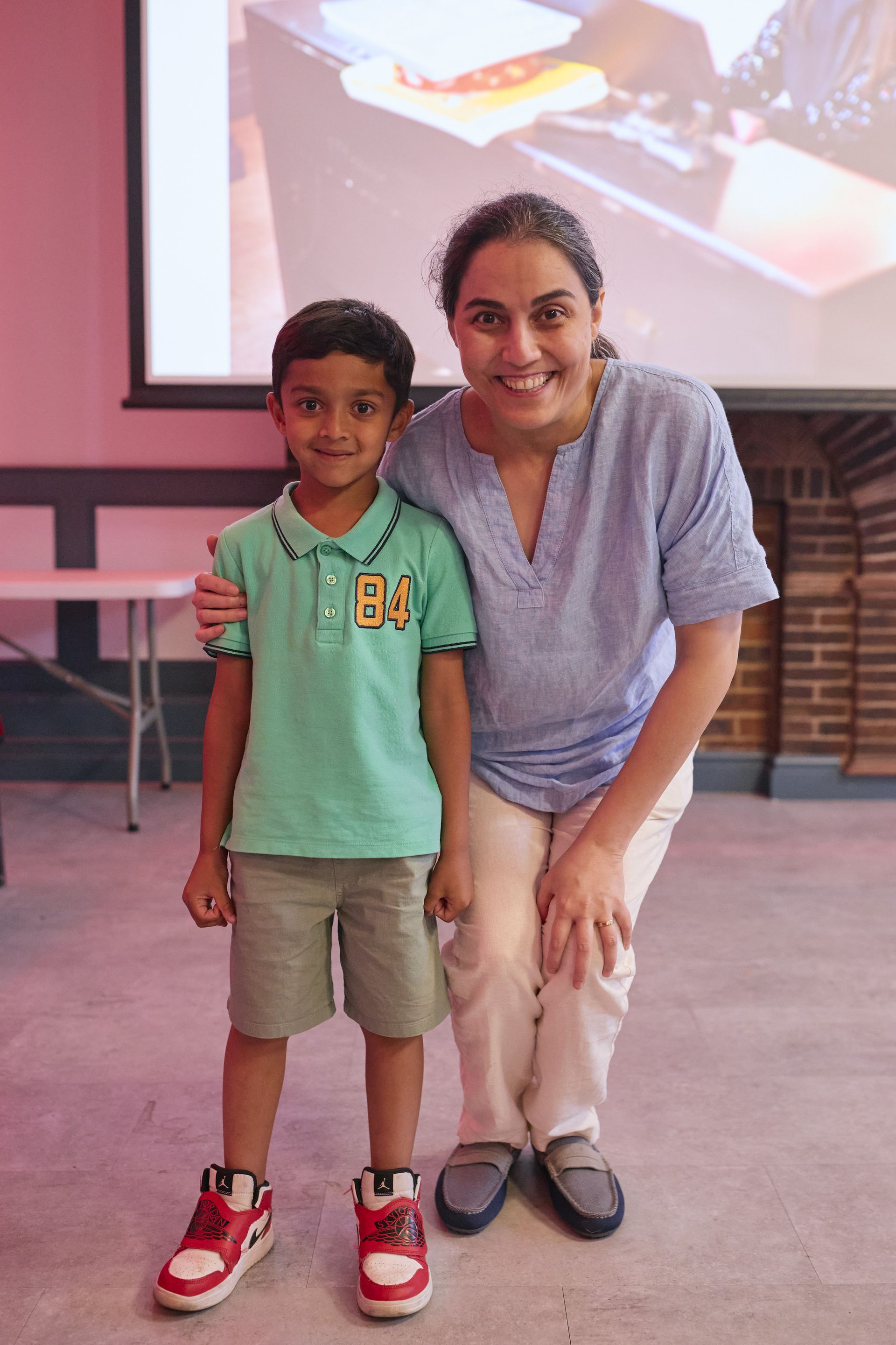
One of the questions we occasionally hear from parents is: "Does my child really need to perform if they're enjoying their lessons?" The short answer is no. A child can absolutely enjoy learning piano without performing. However, concerts provide some lessons alone cannot - and that's why we choose to hold at least four performance opportunities each year. Performance Gives Learning a Purpose Having a performance to work towards helps children: Stay motivated. Develop a sense of achievement. Experience the satisfaction of completing a musical goal. Instead of practising simply because it's part of the routine, children begin preparing to share something they're proud of. Confidence Is Built Gradually Standing in front of an audience can feel daunting. That's completely normal. Confidence isn't something children either have or don't have it grows through positive experiences. Regular performance opportunities allow children to become familiar with: Managing nerves. Recovering from small mistakes. Celebrating progress rather than perfection. Over time, these experiences often transfer into school presentations, speaking confidently in class and other situations beyond music. Families Get to Celebrate the Journey Concerts also give parents a chance to see how far their child has come. Watching performances over time often reveals progress that can be difficult to notice week by week. It's an opportunity to celebrate effort, commitment and growth together. Children Inspire One Another One of the biggest benefits of performing alongside other students is seeing what's possible. Younger children often leave feeling excited after watching older students perform. Older students enjoy becoming positive role models. Rather than creating competition, concerts help build a supportive musical community where everyone is encouraged to do their best. It's Never About Perfection Children aren't expected to perform flawlessly. Our concerts celebrate: Preparation. Courage. Musical growth. Enjoyment. A missed note is quickly forgotten. The confidence gained from stepping onto the stage often lasts much longer. A Final Thought Piano lessons teach children how to play. Concerts help children learn how to share their music with confidence. Together, they develop skills that extend well beyond the piano and that's why we believe regular performance opportunities are such an important part of every child's musical journey.  If you have any questions we’re always happy to help you make it work. If you have any questions please feel free to reach out!
July 16, 2026
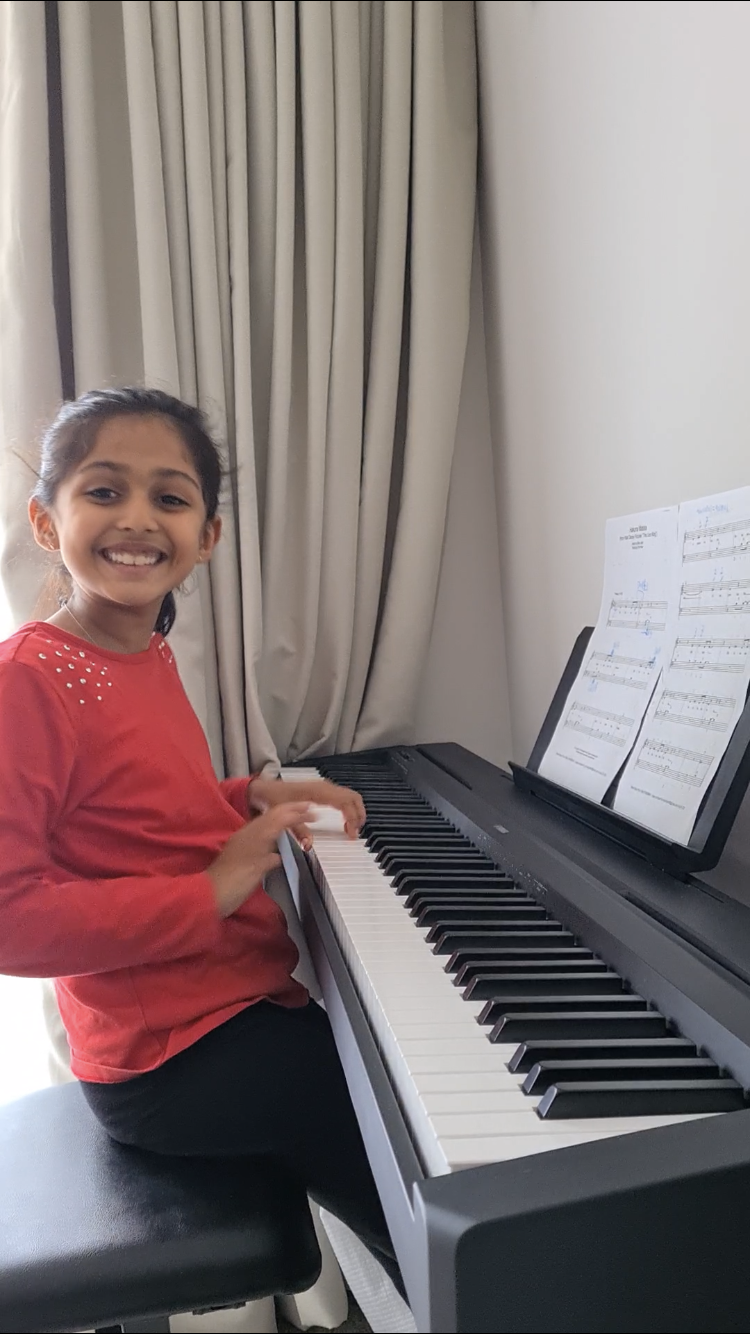
As parents, it's natural to reflect on the activities your child takes part in. You might wonder: "Are they enjoying it?" "Are they making progress?" "Are we getting good value from it?" These are healthy questions to ask. What can be less helpful, however, is comparing one activity directly with another. After all, football, swimming, dance, coding, art and piano all develop different skills, have different teaching formats and measure progress in different ways. Rather than asking which activity is "better", it can be more useful to ask: "Is this activity helping my child grow in the way we hoped it would?" Every Activity Has Its Own Strengths Sport can develop teamwork, fitness and resilience. Drama can build confidence and communication. Art encourages creativity and self-expression. Music develops concentration, listening, coordination, memory and problem-solving. Each activity has something valuable to offer, and many children benefit from experiencing a variety of them throughout their childhood. The goal isn't to rank them - it's to find the right balance for your child. Progress Doesn't Always Look the Same Some activities have weekly matches. Others have performances. Some use certificates or levels. Others measure progress through confidence, independence or technical skill. That's why comparing one activity with another can sometimes create unrealistic expectations. Instead, ask: Is my child more confident than they were a few months ago? Are they learning new skills? Do they still look forward to attending? Are they developing positive habits? These questions paint a much clearer picture than comparison ever could. What Every High-Quality Activity Should Provide While every club is different, there are some things parents should reasonably expect from any well-run activity. Clear Communication Parents should understand: What their child is working towards. Any important updates or events. How they can support learning at home, where appropriate. Communication doesn't have to be constant - but it should be clear, timely and helpful. Meaningful Feedback Feedback may look different depending on the activity. It might be: Verbal after a lesson. A written report. A conversation at the end of term. A progress review. A coach highlighting one area to focus on next. The format matters less than whether it helps families understand their child's development. . Opportunities to Stay Engaged Every activity has different ways of involving families. For example, this could include: Performances Competitions Open lessons Celebration events Progress meetings Newsletters These opportunities help parents feel connected to their child's journey rather than simply dropping them off each week. Looking at the Bigger Picture Children don't always remember every piece they played, every match they won or every certificate they received. What often stays with them are the habits they developed: Turning up consistently. Learning from mistakes. Working towards long-term goals. Building confidence. Becoming part of a supportive community. These are the qualities that continue long after childhood. A Final Thought It's healthy to review whether an activity is the right fit for your child. But rather than comparing activities against one another, consider whether each one is delivering on its own purpose. When children feel supported, challenged and encouraged, every well-run activity has the potential to make a lasting difference. If you have any questions we’re always happy to help you make it work. If you have any questions please feel free to reach out! 
July 13, 2026
As summer approaches, many parents ask:  "Should my child take a break from piano, or keep learning over the holidays?" The answer will be different for every family, but one thing is clear: long summer breaks can make it harder for children to regain confidence and momentum when lessons resume. That's where summer booster classes can help. Why Do Children Benefit From Summer Learning? Like many skills, piano develops through consistency. After several weeks away from the instrument, children often need time to rebuild: Finger strength and coordination Reading confidence Familiarity with pieces Practice routines A small amount of learning over the summer can make returning in September feel much easier. A Booster Class Isn't About Doing More Many parents hear the word "booster" and imagine intensive learning. In reality, it's about reinforcing what your child already knows while introducing a few new ideas in an enjoyable way. Children often leave feeling refreshed and motivated rather than overwhelmed. Who Are Booster Classes Suitable For? Summer booster classes can benefit children who: Would like to maintain progress over the holidays. They have recently started lessons and are building confidence. Are preparing for a performance or exam later in the year. Simply enjoy music and would like an extra opportunity to learn. They're also a great option for children who have been away on holiday and would like a gentle refresher before the new term begins. How Parents Can Make the Most of Summer Alongside booster classes, you can: Keep practice short and enjoyable. Listen to piano music together. Encourage your child to play favourite pieces for family. Celebrate consistency rather than perfection. A Final Thought Summer doesn't have to be about choosing between intensive learning and taking a complete break. Sometimes, one or two well-timed booster sessions are enough to maintain confidence, strengthen skills and help children return to lessons feeling excited for the new term. If you have any questions we’re always happy to help you make it work. If you have any questions please feel free to reach out!
More Posts