August 24, 2025

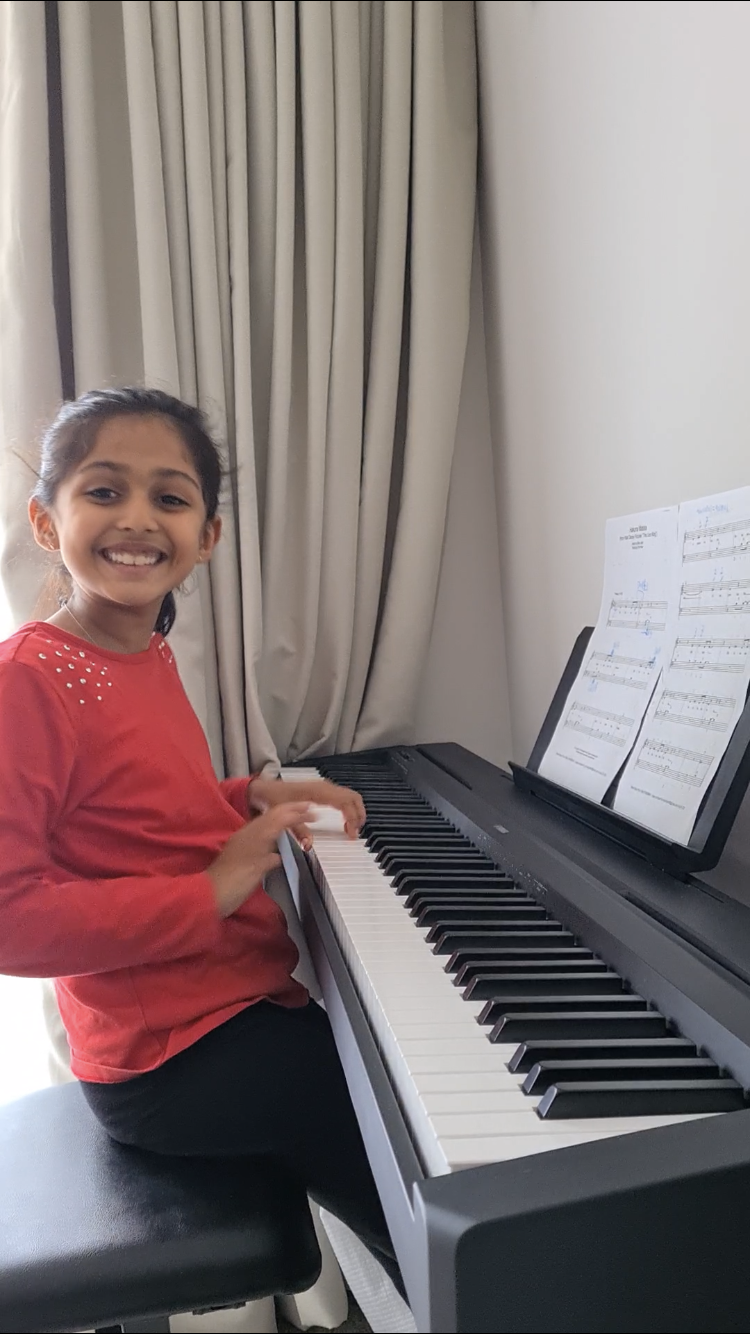
How We're Changing Music Education through Piano Classes in North London

At Key Sounds UK, we believe that music education should be a journey shared between student, teacher, and family. Our tagline "Sharing Music Together" isn't just words, it's the foundation of everything we do. Here's what makes our approach to piano education truly unique in Harrow and North West London.


A Proven Track Record of Success


With an impressive 97% pass rate with the Associated Board of the Royal Schools of Music (ABRSM), we don't just teach piano we ensure success. This exceptional achievement rate speaks volumes about our commitment to each student's individual journey. Whether your goal is to master a beloved piece or excel in formal examinations, our track record demonstrates that we deliver results.


Flexibility That Fits Your Life through Multiple Learning Formats


We understand that every family has different needs, which is why we offer:


  • One-to-One Private Lessons: Personalised attention tailored to your specific learning style and pace
  • Group Classes: Social learning environments that build confidence and create lasting friendships through music
  • Online Lessons: High-quality instruction from the comfort of your own home
  • Home Visits: We come to you, eliminating travel time and creating a familiar learning environment


Both In-Person and Digital Excellence


Unlike many music schools that focus solely on traditional face-to-face lessons, we've embraced technology to enhance learning. Our online resources and digital teaching tools mean that learning continues beyond the lesson, giving students access to practice materials and theory resources whenever they need them.


Comprehensive Music Education Beyond Just Playing Piano


While many piano teachers focus solely on practical skills, Key Sounds UK provides a holistic music education experience:

  • Music Theory Classes: Understanding the 'why' behind the music, not just the 'how'
  • ABRSM Exam Preparation: Structured progression with formal qualifications
  • Performance Opportunities: Building confidence through regular performance experiences
  • Improvisation Skills: Encouraging creativity and musical expression


Personalised Goal Setting Every Term


What truly sets us apart is our commitment to individual progress. Every term, we work with each student to set achievable, meaningful goals. Whether that's:

  • Preparing for an ABRSM grade examination
  • Learning to play a favourite song
  • Developing sight-reading skills
  • Building confidence for performances


We create a roadmap for success that's uniquely yours.


Serving Diverse Communities


From our base in Harrow, we've grown to serve students across Bushey, Hatch End, and Enfield. This expansion reflects our commitment to bringing quality music education to families throughout


North West London. Our growth from 0 to 60+ students in just four years demonstrates the trust families place in our teaching methods.


Supporting All Ages and Abilities


Whether you're a complete beginner picking up your first piano lesson or an advanced student preparing for university-level examinations, Key Sounds UK has the expertise to guide you. Our inclusive approach means that students of all ages and abilities find their place in our musical community.


The Key Sounds Difference


At Key Sounds UK, we don't just teach piano – we nurture musicians. Our combination of proven results, flexible learning options, comprehensive music education, and personalised attention creates an environment where musical dreams become reality. When you choose Key Sounds UK, you're not just enrolling in piano lessons; you're joining a community dedicated to sharing music together.


If you’d like to find out more contact us using our form: www.keysoundsuk.com/contact


April 27, 2026
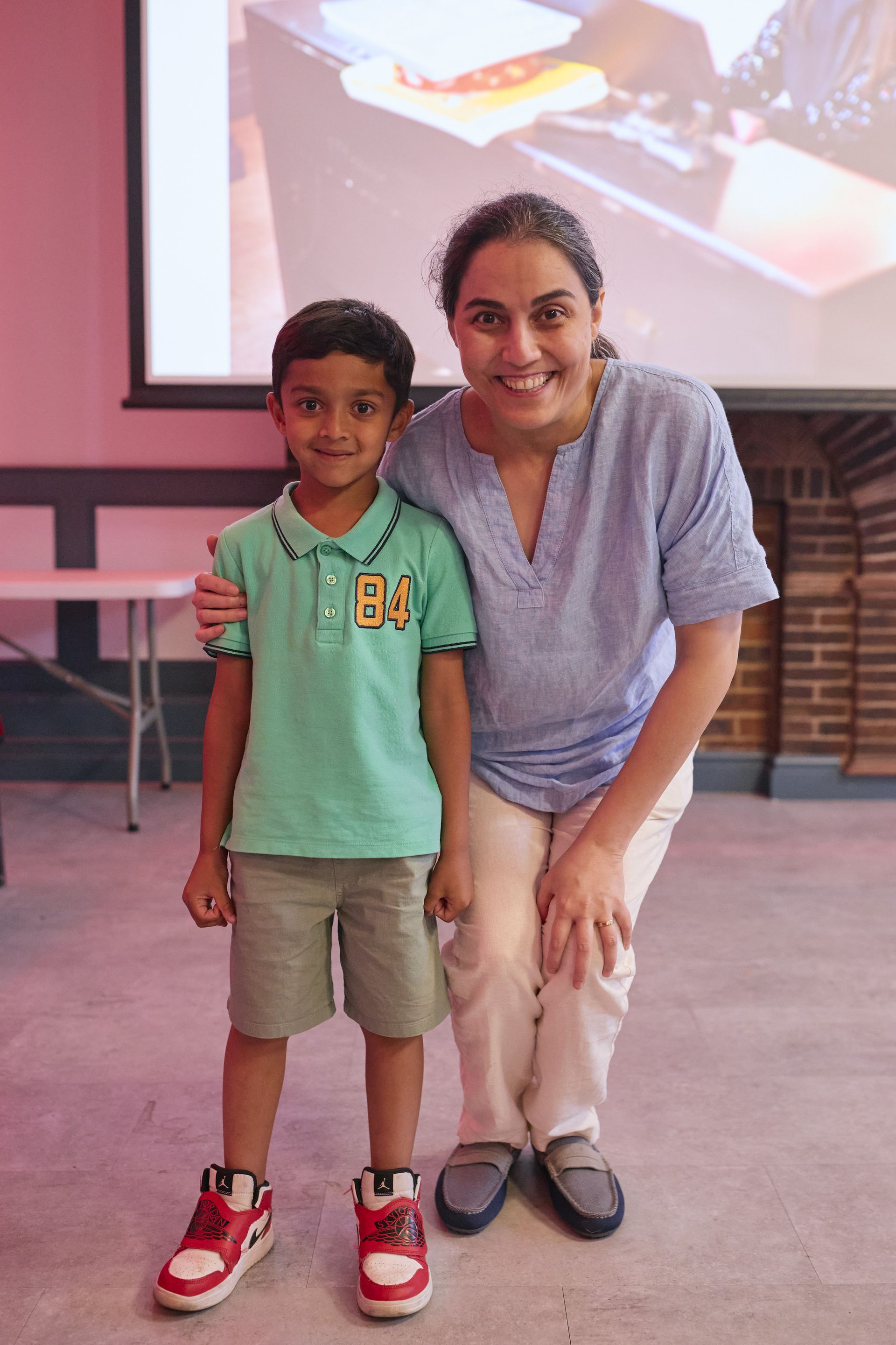
Starting piano lessons is an exciting milestone, but it’s completely normal for parents to wonder what the journey will actually look like. Questions like “How long before they play a song?” or “When will they be ready to perform?” often come up early on. The truth is, every child’s journey is unique but there are some helpful stages you can expect along the way. In the beginning, lessons focus on building familiarity and confidence. Younger beginners (typically from age 4-5+) start by exploring the keyboard, understanding simple rhythms, and developing coordination. Within the first few weeks, many children can play short, recognisable patterns and within a few months, they often begin playing simple songs. These early wins are incredibly important, as they build motivation and a sense of achievement. As your child progresses, you’ll notice a shift. It’s no longer just about playing notes, but about playing with control, expression, and understanding. This is when pieces become more musical, and students start to take pride in how they sound, not just what they play. Around this stage, many children are also introduced to performance opportunities, which help develop confidence and stage presence in a supportive environment. Performing doesn’t have to feel intimidating. In fact, when introduced at the right time, it becomes something children look forward to. Whether it’s a small group setting or a larger concert, these moments help students grow not only as musicians, but as confident individuals who can share their achievements with others. Actionable ways you can support your child through each stage: Focus on enjoyment in the early stages Keep things light and positive - enthusiasm at the start builds long-term commitment Create a simple routine at home A consistent time (even 5-10 minutes) helps piano feel like a natural part of the week Encourage “show and tell” moments Ask your child to perform for you at home - this builds confidence before formal performances Avoid comparing progress to others Every child develops at their own pace, and confidence grows best without pressure Celebrate milestones beyond songs For example: improved focus, smoother playing, or remembering pieces independently Over time, what starts as a few simple notes grows into something much more meaningful. By the time your child reaches their first performance, it’s not just about playing a piece, it's about confidence, resilience, and pride in their progress. If you have any questions we’re always happy to help you make it work. If you have any questions please feel free to reach out!
April 20, 2026
When your child starts piano lessons, one of the most natural questions is: “How will I know if they’re actually progressing?”’ Especially if you’re not musical yourself. It’s a completely valid concern, and one we hear often. Many parents expect progress to look like playing full songs quickly or moving through grades at speed. While those can be part of the journey, real progress is often happening in quieter, less obvious ways. In the early stages, progress looks like small but meaningful shifts. Your child might begin to recognise patterns in music, correct their own mistakes, or play with more control and confidence week by week. These are powerful signs of development even if the piece itself hasn’t dramatically changed. In fact, these foundations are what allow students to play more advanced music later on with ease and enjoyment. Another important part of progress is consistency. Children thrive on routine, and regular lessons (alongside small amounts of practice at home) help build momentum. When lessons are spaced out or missed, it’s not that progress stops but it can slow down. This is why maintaining a steady routine, even during busy periods, makes such a noticeable difference over time. Actionable ways you can support your child at home: Ask simple, encouraging questions Instead of focusing on “getting it right”, try: “can you show me what you improved this week?” Celebrate effort, not just results Confidence grows when children feel proud of trying - not just perfect playing Use lesson reports or teacher feedback - these give you clear insight into what your child is working on and why it matters Keep practice short and consistent. Even 5-10 minutes, a few times a week, is far more effective than long, irregular sessions Look out for subtle progress signs Such as smoother playing, fewer pauses, better posture, or increased focus Over time, these small wins build into something much bigger, not just the ability to play the piano, but increased confidence, independence, and a genuine enjoyment of music. And that’s when parents often say, “I didn’t realise how much they were actually progressing until now.” If you have any questions we’re always happy to help you make it work. If you have any questions please feel free to reach out!
April 14, 2026
One of the most common questions parents ask is whether their child should follow exams, focus on playing for enjoyment, or do a mix of both. It can feel like an important decision especially if you’re unsure what each route involves. The reassuring news is that there isn’t one “correct” path. The best approach is the one that keeps your child engaged, motivated, and progressing with confidence. Piano exams, such as ABRSM, can provide structure and clear goals. They help students develop discipline, technique, and a sense of achievement. Alongside practical exams, theory (including Grade 5 Theory) supports a deeper understanding of music, which becomes increasingly important as students advance. However, exams are just one part of a much bigger picture. Many children begin by learning pieces they enjoy - often songs they recognise - which helps build a strong emotional connection to music. This is particularly important in the early stages, where enjoyment drives consistency. As students grow in confidence, some naturally transition into exams, while others continue developing through performances, repertoire building, and personal goals. Rather than choosing between “fun” and “structure”, the most effective approach often combines both. A balanced journey allows children to enjoy what they play, while also developing the skills needed for long-term progress. This flexibility is what helps students stay motivated over the years, rather than feeling pressured or disengaged. Actionable ways you can support your child’s learning path: Follow your child’s interest first If they’re excited about a particular song, use that as a starting point for learning Have open conversations with their teacher Ask about the right timing for exams rather than rushing into them Understand that theory develops gradually It’s often introduced alongside practical learning, not as a completely separate subject Avoid putting pressure on grades alone Progress isn’t just measured by exams - confidence and musicality matter just as much Revisit goals regularly Your child’s interests may change over time, and their learning path can adapt with them Ultimately, the goal isn’t just for your child to pass exams - it’s for them to build confidence, enjoy music, and feel proud of what they can do. When the journey is tailored to them, progress becomes something they experience positively and consistently. If you have any questions we’re always happy to help you make it work. If you have any questions please feel free to reach out!
More Posts