How to Spot Piano Progress as a Non-Musical Parent
Many parents tell us the same thing: “I want to support my child’s piano learning but I’m not musical, so I don’t know what to look for.”
The truth is, you don’t need to read music or play the piano to be a huge part of your child’s progress. What matters most is how you observe, encourage and communicate, not your musical knowledge.
Here are three simple, practical ways to stay involved and confident.
1️. Sit In on Lessons (Even Occasionally)
- You don’t need to attend every lesson -just sitting in from time to time can make a big difference.
- When you observe a lesson, you begin to notice:
- How your child is guided to sit and place their hands
- How the teacher breaks tasks into small, achievable steps
- The language and cues your child responds to
Sit in for 10-15 minutes once every few weeks. This is to absorb rather than to assess. This helps you support practice at home using the same language the teacher uses.
2. Record a “Before vs After” Video
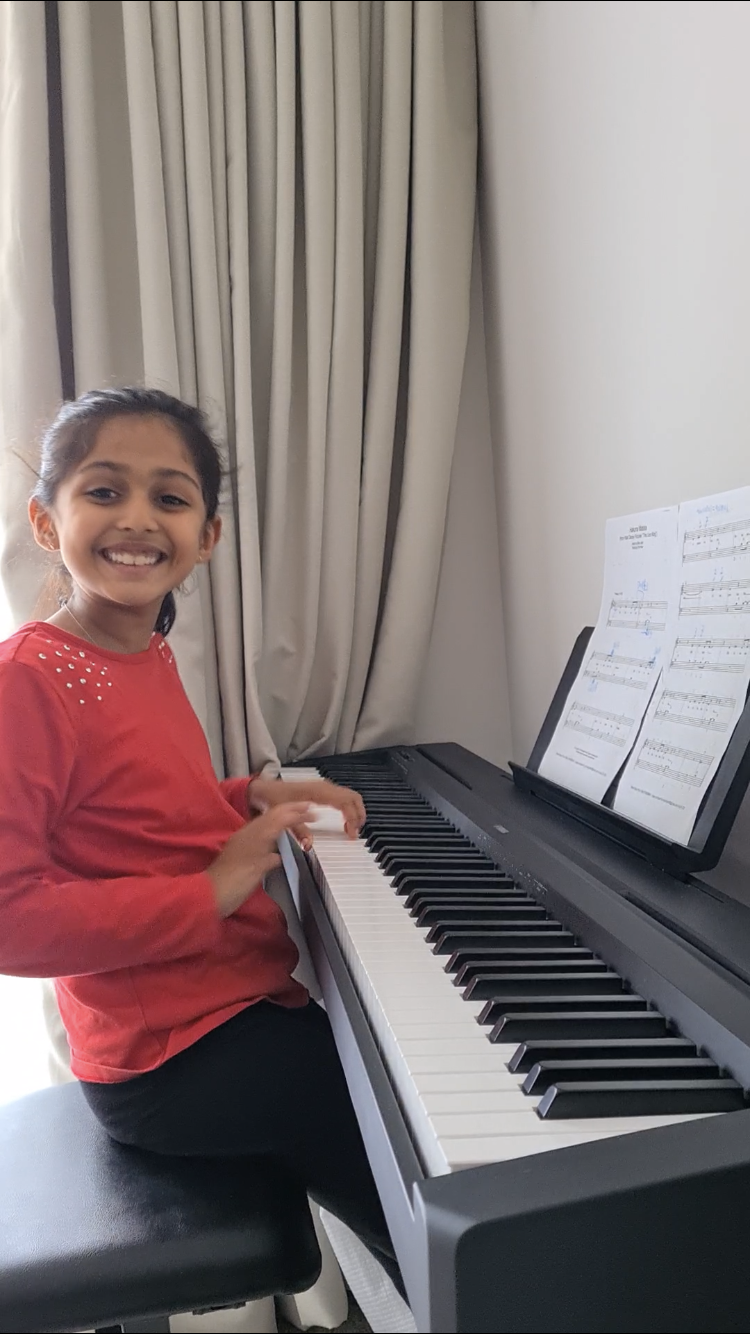
One of the clearest ways to see progress - especially for non-musical parents - is through short videos.
How it works:
- Record your child playing a song or exercise
- Then record the same song or exercise 5–6 lessons later, or on the day the teacher says it’s “finished”
You’re not looking for perfection.
Instead, notice small but meaningful changes:
- Confidence: Do they sit more comfortably and start playing more willingly?
- Hand position: Do they find their starting position more quickly?
- Flow: Are there fewer pauses or gaps in the music?
Even tiny improvements are signs of progress - especially at this stage of learning
Keep the video private. This isn’t for comparison with others - it’s simply a reminder of how far your child has come.
3. Set Simple Checkpoint Goals With the Teacher
Progress doesn’t always mean “moving up a level”. For younger learners, it often shows up in skills and habits.
Setting small checkpoint goals helps you know what to look out for at home. Examples of helpful checkpoint goals:
- “Starting the piece without help”
- “Finding hand position independently”
- “Playing through without stopping”
- “Feeling confident playing for someone else”
Ask the teacher:
- “What’s one thing we should notice improving over the next few lessons?”
- This gives you clarity and keeps expectations realistic.
A Reassuring Note for Parents
- At ages 6–8, piano progress is often gradual and subtle and that’s exactly how it should be.
- Confidence, comfort at the keyboard, and smoother transitions are just as important as notes and rhythms.
- By observing, recording small milestones, and staying aligned with the teacher, you’re already playing a vital role in your child’s musical journey even if you’ve never played a note yourself.
If you have any questions please feel free to reach out!