December 11, 2025

Supporting Your Child Through Inconsistent Piano Practice (Even If They Really Do Love Playing)

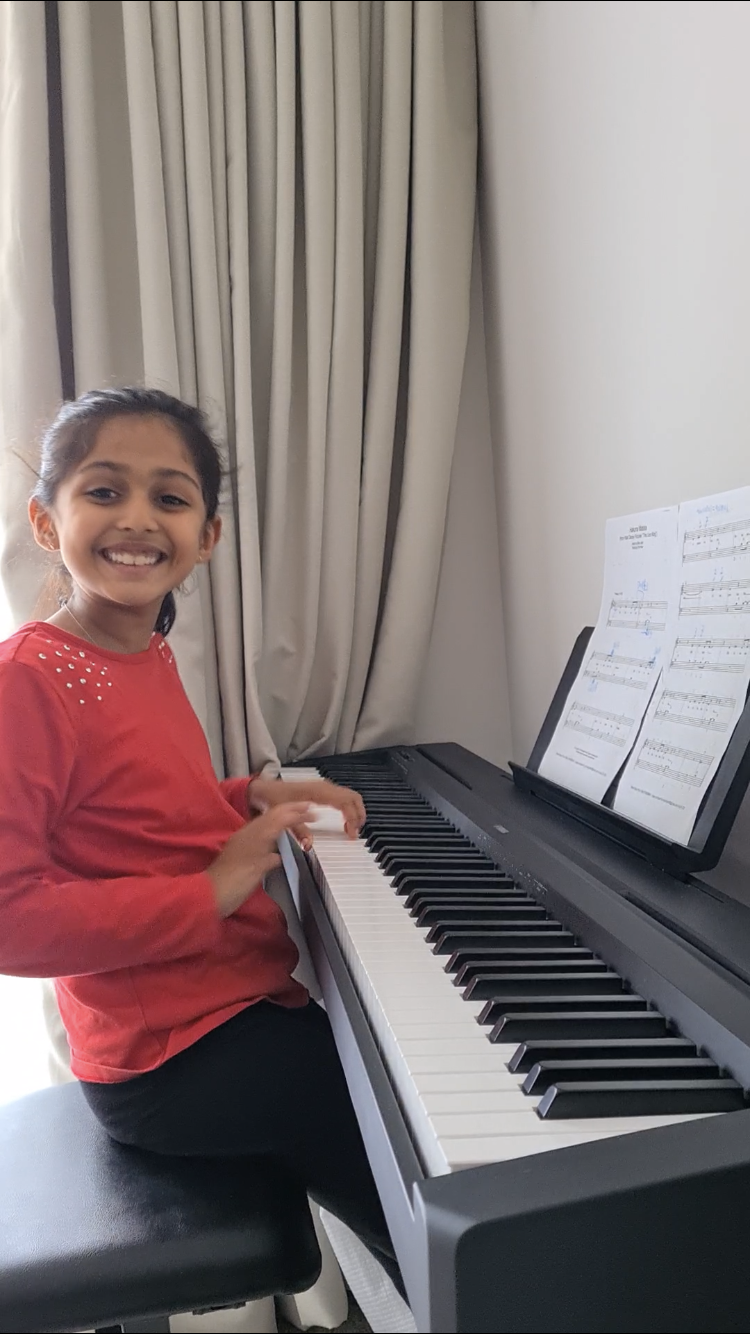
It’s a familiar situation for many parents: your child loves their piano lessons. They come out smiling, talk excitedly about new songs, and sometimes even play little tunes at home just for fun.


But when it comes to actual practice time…things suddenly feel a lot harder.


  • Maybe they avoid it.
  • Maybe they forget.
  • Maybe they do a few minutes and wander off.


And you start wondering:


  • “Do they really enjoy this?”
  • “Are we wasting time or money?”
  • “Shouldn’t they be practising more if they like it?”


Take a deep breath - this phase is incredibly common. Children can genuinely enjoy learning piano and still struggle to practise regularly. They’re often not being lazy. They’re simply figuring out how to build a new habit in the midst of a busy, ever-changing routine.


Here’s how you can gently support them through this stage while keeping piano enjoyable and meaningful.


1. Notice the Signs of Enjoyment That Happen Outside Practice Time


Children don’t always show enthusiasm in predictable ways. Even if formal practice is inconsistent, you’ll often see subtle signs that they’re still engaged:


  • They hum or sing their piano pieces
  • They sit at the piano and explore sounds
  • They talk positively about lessons
  • They remember melodies long after learning them
  • They show excitement about a favourite song


These small behaviours mean that music is sticking - even if the practice routine isn’t perfect..yet!


2. Remember That Building a Routine Takes Time


Adults know how hard forming habits can be - and for children balancing schoolwork, homework, activities, and social events, it’s even tougher.


  • Some weeks they’re on track.
  • Other weeks they’re overwhelmed or tired.
  • And sometimes they’re simply distracted by being…well, kids.


This inconsistency doesn’t mean piano isn’t important to them. It means they’re learning how to integrate it into their life, one step at a time.


3. Keep Practice Short and Doable

You don’t need long practice sessions to see progress. In fact, shorter sessions often work better for children with full schedules.


Aim for:


  • 10 minutes of focused practice
  • One section of a song they are struggling on
  • A flashcard set
  • Practising 4 times per week rather than 7 - to start off with!


This approach feels achievable for your child and reduces the stress of “fitting it in.”


4. Offer Light Homework on Busy Weeks

If your child is buried under schoolwork or just having an off week, switching to “gentle homework” keeps them connected without pressure.


Try:

  • Listening to their piece
  • Practising just the first few bars
  • Reviewing note flashcards for 4-5 minutes


These tiny touches still reinforce learning.


5. Encourage Them to Send a Quick Video When They’re Stuck


If your child hits a tricky spot, it’s tempting to Google solutions — but online methods often contradict what they’re learning, which creates confusion.


A much better approach:


  • Record a short clip of the problem area
  • Send it to the teacher
  • Let the teacher provide the right explanation or resource


This gives your child reassurance, keeps them progressing correctly, and removes the frustration that leads to practice avoidance.


6. Keep Piano a Positive Space at Home


Children thrive when they feel supported, not judged or pressured.

You can help by:


  • Showing interest in what they’re learning
  • Keeping comments relaxed and encouraging
  • Letting them explore the piano freely after practice - this will keep them at the piano for longer!


A warm atmosphere builds confidence and long-term enjoyment.


7. Create a Routine That Fits Naturally Into Family Life


Consistency doesn’t have to mean rigidity. The best routines feel calm, predictable, and simple.

Some easy ideas:


  • Practise right after a snack
  • Use a gentle 10-minute timer
  • Keep the piano area tidy and inviting
  • Display books where they’re easy to grab
  • Tie practice to an existing habit (“after homework,” “before dinner,” etc.)


Routines work best when they feel natural rather than forced.


If your child enjoys the piano but struggles to practise regularly, it doesn’t mean something is wrong. It simply means they’re learning to balance music with the rest of their busy life.


With your encouragement, flexible expectations, and gentle guidance, they will continue to make meaningful progress - even if the practice routine isn’t perfect yet. What matters most is that they feel supported, confident, and excited to keep going. If you have any questions please feel free to reach out! 
By Reshmi Patel December 8, 2025
Piano is one of the most powerful tools for building skills that transfer directly into school performance, concentration, problem-solving, and confidence. Here’s how piano lessons genuinely support academic success. Piano strengthens focus, memory and brain development. Learning the piano engages multiple parts of the brain at once - listening, reading, motor skills, creativity, and problem-solving. This strengthens “executive function,” which directly impacts a child’s ability to learn. Academic connections: ● Stronger working memory → better maths and mental recall ● Better hand–eye coordination → smoother writing and reading ● Improved concentration → longer attention span in school Tip One Try a “focus warm-up” before homework: Ask your child to play one short piece or one scale before they start schoolwork. This activates the brain and primes them to concentrate. If you’d like suggestions for simple musical warm-ups that help with focus, just ask us - we’re happy to share ideas. Remember Piano builds discipline, resilience and improved problem solving skills. Regular practice teaches children how to stick with something even when it feels challenging - an essential skill for academic growth. Over time, they learn how to: ● Break tasks into steps ● Work through frustration ● Set goals and achieve them ● Take responsibility for their own progress These are the same habits that support 11+ preparation, secondary school transition, and exam confidence. Tip Two Use the “5-minute start” method: If practice ever feels overwhelming, set a timer for just 5 minutes. Most children continue naturally once they’ve begun - it reduces resistance and mirrors effective study strategies used in school. Piano encourages emotional intelligence. Children who play music learn how to express themselves, manage emotions, and think creatively - traits increasingly valued by top schools. Piano helps children develop: ● Confidence in performance situations ● Emotional awareness ● Creative thinking and improvisation ● A sense of identity and personal achievement Piano is a helpful addition in school applications (where appropriate). While no school admits a child because they play piano, many schools value well-rounded students who show commitment, skill development, and personal interests. Music often strengthens school interviews because children can talk confidently about: ● A hobby they’ve committed to ● Performances they’ve done ● Challenges they’ve overcome  If you’re unsure how piano is supporting your child’s academic growth or want advice on practice habits, confidence-building, or balancing piano with school please reach out at any time. We’re here to help your child thrive and support where we can!
By Reshmi Patel December 1, 2025
The Christmas holidays bring a wonderful mix of excitement, travel, downtime, and disrupted routines. That’s why many families find piano practice looks a little different this time of year and that’s completely okay. Here are practical, flexible ideas to help your child enjoy music over the break without stress. 1. Recognise That Holiday Routines Are Different Between visitors, late nights, and festive events, practice may not happen the same way it does during the school term. The aim is simply to keep music present, not perfect. If you’re travelling or unsure how much practice to aim for, please feel free to message us we can offer personalised suggestions. 2. Set Realistic, Flexible Goals Instead of a strict schedule, try giving the break a gentle musical focus. Examples families often use: ● A few shorter practice moments throughout the week ● Focusing on one special piece over the holiday ● Following the full practice plan from their teacher, if appropriate ● Simply maintaining familiarity with current pieces There’s no single “right” amount do what works for your family and follow your teacher’s guidance. 3. Make Piano Festive and Fun The holidays are the perfect time to turn music into a joyful part of your celebrations. Fun ideas: ● Learn a festive piece together ● Play duets with siblings or grandparents ● Record a short video to send to relatives ● Create a “musical advent calendar” with tiny daily challenges ● Hold a cosy at-home Christmas mini-recital If you'd like suggestions for holiday-appropriate pieces at your child’s level, just ask us. We love helping with this! 4. Practice Options for Busy Days or Travel If you’re away from the piano, there are still ways to keep musical skills fresh. Try these: ● Rhythm clapping games ● Listening to pieces they’re learning ● Mental practice for older students ● App-based note-reading or rhythm games ● Bringing a small keyboard if it's convenient Let us know your holiday plans and we can tailor some light-touch ideas for your child. 5. Returning to Routine in January Jumping straight back into full practice might feel tough and that’s normal. Support a smooth transition by: ● Starting with shorter sessions ● Revisiting pieces learned before the break ● Setting a fresh, exciting goal for the new term ● Talking about what they enjoyed musically over the holidays At the first lesson back, we’ll happily help rebuild momentum and create a refreshed practice plan. Final Reminder: We’re Here for You  Christmas should feel joyful, not pressured. If you’re ever unsure about how to handle practice, what repertoire to choose, or how to keep things fun, you’re welcome to reach out to us at any point. We love supporting your child’s musical journey - in lessons, between lessons, and throughout every season of the year.
By Reshmi Patel November 24, 2025
As parents, it’s natural to wonder if your child is truly enjoying their piano lessons and moving in the right direction. The signs can be subtle, but once you know what to look for, it becomes much easier to support their musical journey with confidence. 1. Signs Your Child Is Enjoying Their Piano Lessons Children show enthusiasm in many small but meaningful ways: ● They sit at the piano without being reminded. ● They talk about their teacher, lessons, or favourite pieces. ● They hum or sing their music around the house. ● They experiment, “noodle,” or make up their own tunes. These are strong indicators that they feel good about their musical space. If you’re unsure or notice enjoyment fluctuating, feel free to contact us. We can always help reignite interest or refresh their lessons. 2. Signs of Healthy Musical Progress Progress doesn’t always look dramatic often, it’s steady and gradual. Look for: ● Pieces sounding smoother week by week ● Increased accuracy and confidence ● The ability to spot and fix mistakes ● More use of musical expression (dynamics, phrasing, emotion) Some families like to record a piece once a month to see growth. It's a lovely keepsake and a big motivator. But this is just one example; your child’s teacher may have a different method suited to their learning style. 3. When You Might Need to Look a Little Closer Not every dip indicates a problem but some patterns can be worth exploring: ● Reluctance to practise over a long period ● Boredom that lingers, not just for a week ● Frustration with pieces that seems overwhelming ● Wanting to skip lessons repeatedly These signs usually just mean a small adjustment is needed: a new piece, a different practice strategy, or a shift in pace. If you notice these happening, please reach out. We can help troubleshoot quickly, and often the solution is simple. 4. Ways to Support Enjoyment at Home Your role at home is powerful and small actions make a big difference. Try: ● Praising effort (“I love how you kept trying”), not just results ● Asking them to play a favourite section ● Keeping practice relaxed and predictable ● Making a positive space around the piano (no tension or pressure) If you ever need personalised practice ideas, we’re always happy to help. 5. Stay Connected With Us We want your child to thrive and feel proud of their progress. You can always: ● Ask questions during lessons ● Send us a message between lessons ● Request guidance on practice expectations ● Check in if something doesn’t seem quite right We’re on your team let us know how we can support your child’s musical journey.
More Posts