
Reshmi Patel • April 26, 2021
How to Find Your Perfect Piano Teacher
With so many piano teachers out there with a variety of different teaching methods and approaches, it’s so easy to know which teacher will support you and your needs as an aspiring musician.
To help support you in your journey, I’ve compiled a list which will support you in choosing the perfect piano teacher for you!
1. Do your research
In the music industry today, there are so many unqualified teachers who don’t have an education or background in music. Both myself, my teacher and some of my current students have experienced this! Therefore, we decided to use this as an opportunity to share what we learnt.
Personally, I prefer a teacher who can play so that they can empathise with my struggles and demonstrate different techniques if required to do so.
If you are looking to learn grades or a specific genre of music then have a read into the teacher’s background as they may specialise in teacher one or the other.
2. Individualised Approach
Everyone learns differently. Some may prefer visual prompts, some auditory and others kinaesthetic resources and materials. It may be useful to check on the teacher’s website or contact them to ask them how they would tailor their resources to best help you succeed.
3. Consistency
If they are consistent, they are committed.
How often do they teach and does this work with your timetable?
If your teacher can fit you in for regular sessions – say once or twice per week then this will help both your progress and accountability both in the short and long term.
4. Previous Results
Ask your chosen teacher what their other students have achieved since learning with them and use this this as a measurement of their delivery and skill set.
5. Open to new musical ideas
There are some teachers who solely specialise in teaching one genre of music whilst there are others who teacher a mixture of genres.
If you wish to master one particular style of music then choose a teacher who can meet these needs. However, if you choose to be a musician with a variety of skills then choose a teacher who can meet these needs instead.
Remember that when you are trying out these hacks to look at them little and often but also be patient with yourself. If you wish to know more about these hacks and resources, feel free to take a look around our website or connect with us directly.
To find out more, feel free to get involved in our latest project “The Habits of the Top Performing Piano Players”, fill out our survey: https://bit.ly/2FDs8rf
For your chance to win a Nintendo DS Lite or a £50 Amazon Gift Voucher.

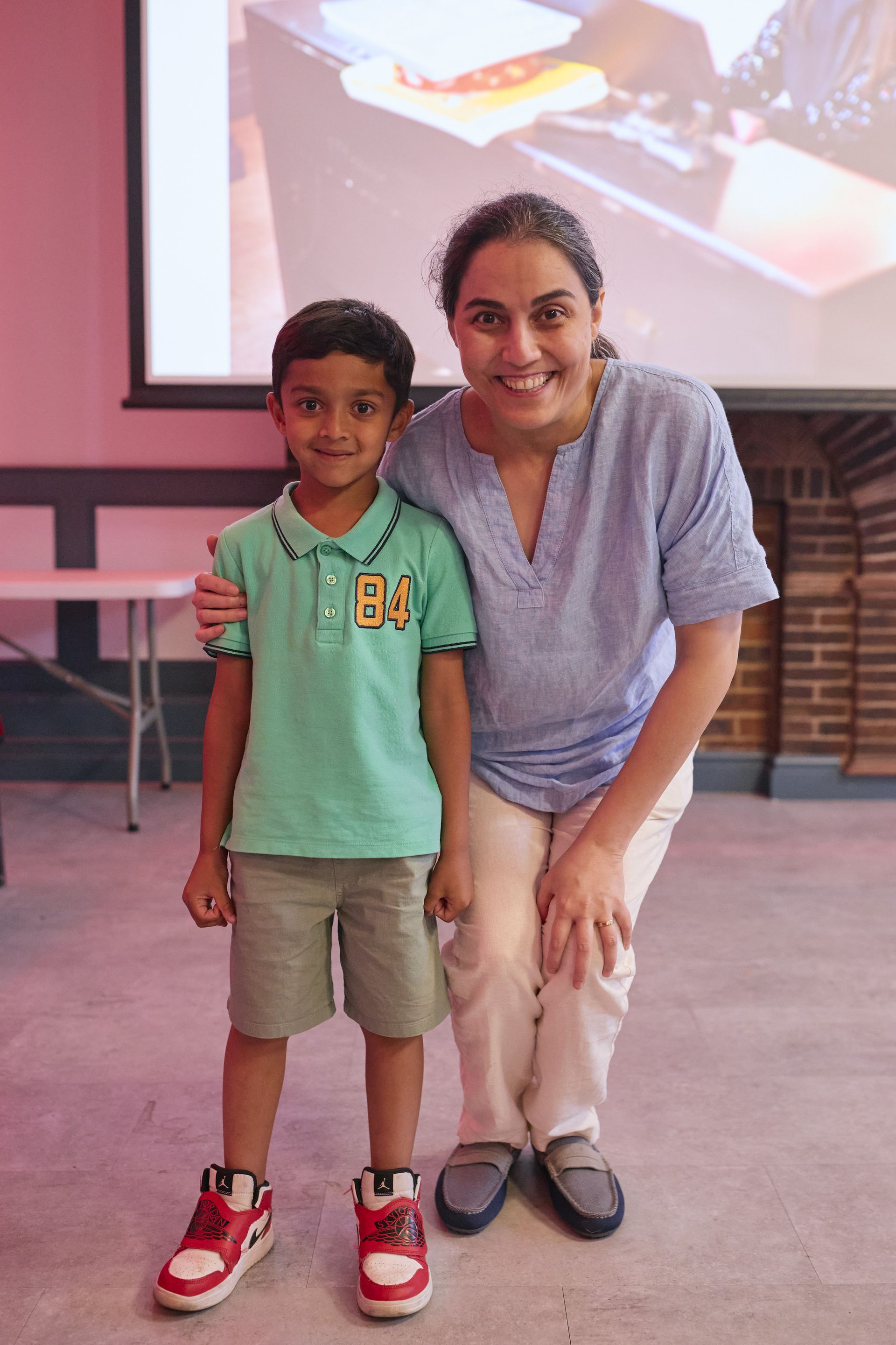
“My piece is too hard” can mean several things. Your child might be struggling with one small section, feeling unsure where to begin, or expecting to play the whole piece confidently straight away. You don’t need to know the notes to help. Start by finding out what feels difficult, then help your child take one manageable step. Ask which part feels hard A whole piece can feel overwhelming when the difficulty is really in just a few bars. Rather than asking your child to play it from the beginning again, ask, “Is there one part that’s bothering you?” They might point to a line in the music, mention a rhythm or say they can’t remember what their tutor showed them. Any of those answers gives you a clearer starting point. Try this: Ask your child to show you the part they mean. You can acknowledge that it feels tricky without trying to correct it. Check the lesson notes together Your child’s tutor may already have suggested how to work on that section. The goal might be to practise one hand at a time, play slowly or watch a video from the lesson. Try this: Look for one instruction your child can follow today. If neither of you is sure what the tutor meant, move on to the video step below. Make the goal smaller Your child doesn’t need to master the difficult part in one practice session. Working on a short section for a few minutes is worthwhile, even if it still sounds unfinished afterwards. You could ask, “Would you like to try just the first little bit?” Give them room to stop after that. Finishing a small goal can help them feel ready to return another day. Try this: Agree on one short task before they sit down at the piano, such as trying the same two bars slowly three times. Send their tutor a short video on WhatsApp If your child is happy to show the difficult section, film a short clip and send it to their tutor on WhatsApp. It doesn’t need to be a polished performance. Seeing where your child gets stuck helps the tutor give specific guidance before the next lesson. You could write: “They’re finding this section difficult at home. Here’s a short video so you can see where they get stuck. What would you suggest they focus on this week?” If your child doesn’t want to be filmed, you can still send a photo of the section in the music and explain what they’re finding difficult. Finding something hard is a normal part of learning piano. Your role isn’t to provide the musical answer. Helping your child describe the problem and share it with their tutor can make the next step feel much clearer. If you have any questions we’re always happy to help you make it work. If you have any questions please feel free to reach out!
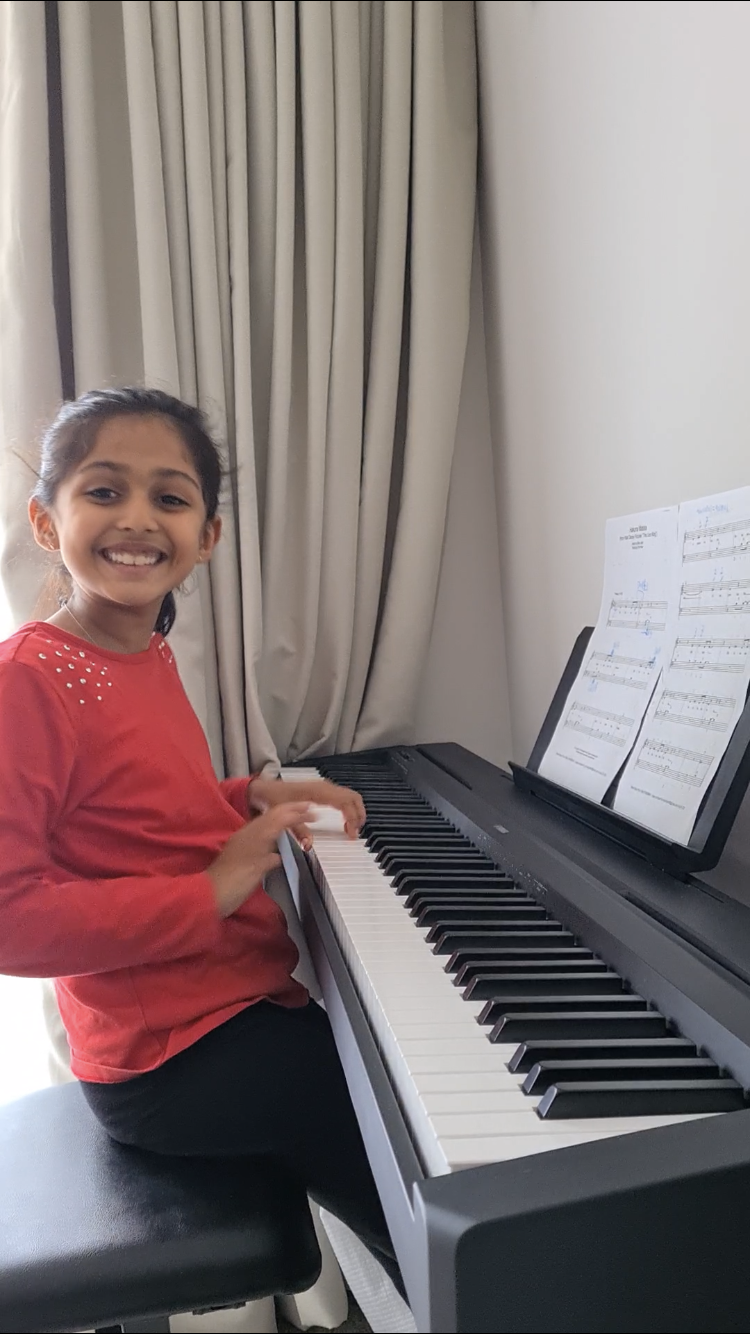
Is your child enjoying their piano lessons and listens to their tutor, but they haven’t practised much at home for a week or two? It’s natural to wonder why, especially if they were practising regularly before. A quieter couple of weeks doesn’t necessarily mean they’ve lost interest. Learning an instrument has ups and downs. Even some of our most advanced students, whether they work towards grades or choose not to, go through phases when they practise less. The fact that your child still enjoys and engages in their lessons is a positive sign. Here are a few ways to help without turning practice into a source of pressure. 1. Find out what’s getting in the way There may be a simple reason. Perhaps the week has been busy, your child is tired, or they can’t remember which part their tutor wanted them to practise. Sometimes a new piece feels difficult to start on their own, even when they enjoy working on it in class. Choose a relaxed moment and ask, “How are you feeling about piano practice at the moment?” Listen first. You don’t need to solve everything in that conversation. Try this: If your child says they don’t know what to practise, look at their lesson notes together. If the next step still isn’t clear, ask their tutor. 2. Make the first step small After a break, “go and practise” can feel like a big request. A smaller starting point makes it easier to get going again. Your child could spend five minutes on the section their tutor highlighted or use a practice video shared in their notes. Once they’ve started, they may want to continue, but those five minutes still count. Try this: Agree on two or three short practice times for the coming week. Let your child help choose when they’ll happen. 3. Keep the conversation encouraging It can be tempting to point out how much practice has been missed. For a child who is already finding it hard to begin, that may make the piano feel like another task they’re behind on. Instead, notice the effort of returning to it: “It was good to see you make a start today.” You don’t need to know whether every note was right. The tutor can guide the musical details. Try this: After a practice session, ask, “Did you know what you were working on?” If the answer is no, that gives you something useful to share with the tutor. 4. Let the tutor know If practice has been quieter than usual, a quick update helps your child’s tutor meet them where they are. They can check whether the task is clear, break it into smaller steps or suggest a different way to practise that week. You could say: “They’re still enjoying lessons, but practice at home has been difficult to get started for the past couple of weeks. Is there one small thing you’d like us to focus on before the next lesson?” One or two quieter weeks are usually a moment to check in and gently rebuild a routine, not a reason to panic. If the change continues, or your child seems unhappy about piano itself, speak with their tutor so you can work out the next step together. If you have any questions we’re always happy to help you make it work. If you have any questions please feel free to reach out!

If you don’t play piano yourself, it can be hard to tell whether your child is making progress. Should they be learning new pieces more quickly? Should they have taken an exam by now? Remember progress often shows up in small changes between lessons, long before a piece sounds polished. Look for changes in confidence and independence Notice how your child approaches the piano. Do they remember what their tutor asked them to practise? Can they get started with less prompting? Are they more willing to try again when something feels tricky? Progress can be subtle, and your child doesn’t need to demonstrate it on demand. Try this: At a relaxed moment, ask, “What have you been working on with your tutor lately?” If they’re unsure, look at the lesson notes together. There’s no need to ask them to play for you. Focus on what they are learning, not how many pieces they finish. A child may spend several weeks on one piece because it introduces a new rhythm, technique or way of reading music. That does not mean they have stopped progressing. Learning to slow down, work through a difficult section and gradually play it more confidently is progress too. Try this: Check the lesson notes for one specific goal this week. It might be practising a few bars or watching a video their tutor has shared. You can help your child make time for that goal without needing to correct their playing. Make practice manageable Regular practice helps your child remember what they covered in their lesson. It doesn’t have to mean a long session every day. A few short sessions with a clear focus are easier to build into family life. If practice has been difficult lately, let the tutor know. That helps them suggest a realistic starting point rather than leaving you to work it out alone. Try this: Choose three practice days that fit around your week. When it’s time to practise, help your child find their lesson notes so they know where to begin. Ask the tutor what progress looks like for your child Children learn at different speeds, so comparing your child with a sibling or another student may not tell you much. Their tutor can give you a clearer picture of what has improved and what they are working towards next. You could ask: “What has my child improved on recently? What is their main focus now, and how can we support them at home?” At Key Sounds UK, you can ask your child’s tutor for an update or contact us to arrange a progress call. You don’t need to wait for an exam or concert to find out how they’re doing. The most helpful measure of progress is whether your child is building skills and confidence over time, with a next step that feels achievable for them. If you have any questions we’re always happy to help you make it work. If you have any questions please feel free to reach out!
