July 14, 2025

How Recognisable Songs Spark Engagement in Young Piano Learners

When children hear a song they recognize, their brains light up with positive emotions, making them more eager to try playing it themselves. This emotional engagement is key because it builds persistence; they want to keep practicing to get better at something they already enjoy. It’s like giving them a musical “head start” that encourages confidence and pride in their progress.


From our own experience teaching young pianists, we’ve seen how important it is for kids to feel that “aha” moment when a concept clicks. Whether it’s mastering a simple scale, learning to read notes fluently, or playing their first complete song, these milestones are like little victories. Each success boosts their self-esteem and makes practice feel rewarding instead of frustrating.


Here’s why this approach works so well:

●     Clear goals create achievable challenges: When skills are introduced in a logical order, children know exactly what to focus on next. This clarity prevents overwhelm and helps them stay motivated.

●     Confidence fuels curiosity and risk-taking: As students master easier pieces, they gain the courage to try more complex music, pushing their abilities further.

●     Consistent wins build a positive mindset: Celebrating small achievements keeps young learners excited about their progress and eager to continue.


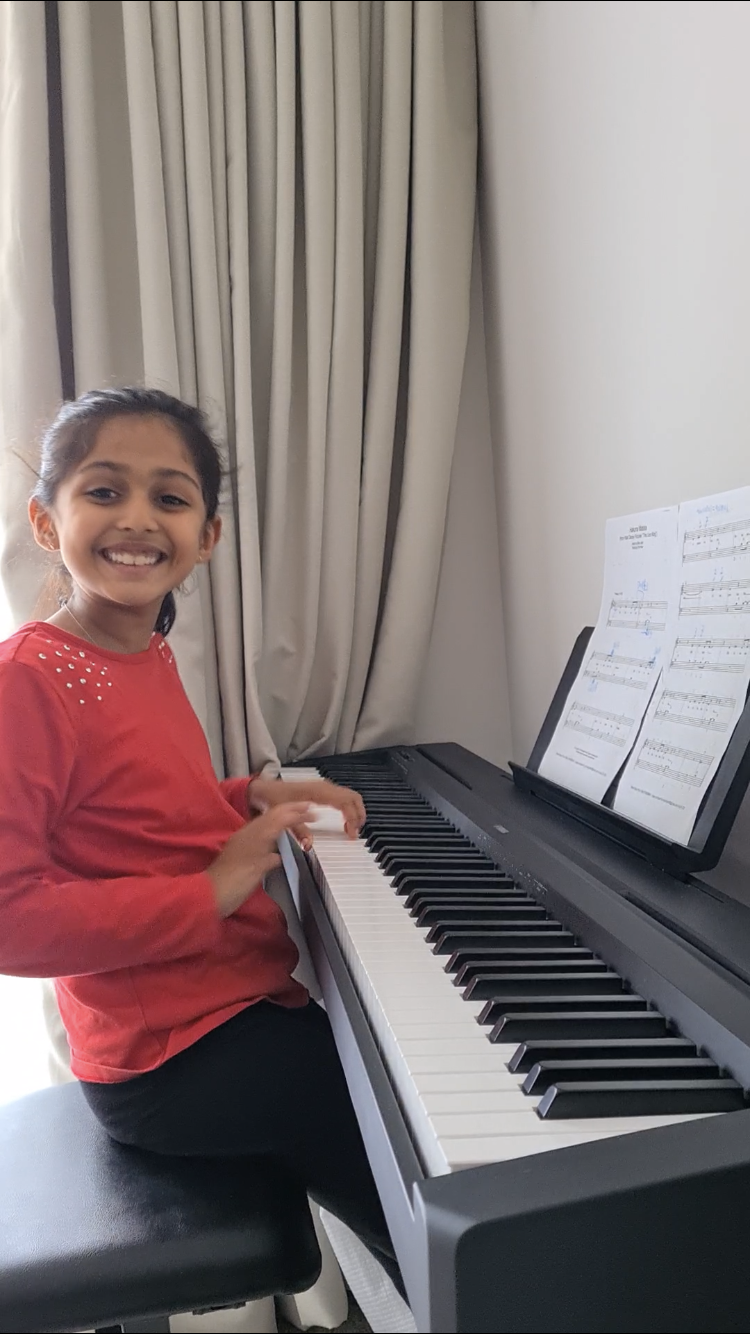
We’ve had many students tell me how proud they felt after completing a piece they once thought was “too hard.” One young pianist shared that following a structured course helped her realize she could learn difficult songs, which inspired her to practice daily and even perform in recitals confidently.


By guiding children through a well-planned sequence of skills, we’re not just teaching piano we’re helping them develop a lifelong love of learning and the confidence to face new challenges head-on. That’s the true magic of a structured piano course! 


Check out our course ‘Five Favourite Songs for Beginner Piano Players’ here


For any other piano related questions contact us using our form
June 23, 2026
Many parents naturally wonder: "Is there anything we can do to help our child progress faster?" The answer is “yes!” But surprisingly, it isn't always about practising for longer. Often, it's about practising smarter and supporting learning more effectively. Focus on Quality Over Quantity Twenty focused minutes is often more valuable than forty distracted ones. Encourage your child to: Work on one small section at a time Repeat challenging passages slowly Celebrate small improvements Progress is built through quality repetitions. Listen to More Music Children who regularly listen to music often develop stronger musical awareness. Try: Piano versions of favourite songs Film soundtracks Classical pieces Live performances online The more children hear music, the more naturally they understand it. Encourage Independent Problem Solving Before giving answers, try asking: "What do you think your teacher would suggest?" This develops independence and musical thinking. Over time, children become less reliant on reminders and more capable of self-correction. Protect Enjoyment One of the quickest ways to slow progress is to turn learning into pressure. Children tend to improve most when they: Feel capable Enjoy lessons Experience regular success Confidence fuels motivation, and motivation fuels progress. Think in Months, Rather than in Days One of the most powerful shifts parents can make is focusing on long-term growth. Instead of asking: "Why isn't this perfect yet?" Ask: "Are they stronger than they were three months ago?" Small improvements compound over time. A Final Thought The children who make the greatest progress are rarely the ones under the most pressure.  They're usually the ones who stay engaged, curious, and consistent. When enjoyment and effort work together, progress tends to follow naturally. If you have any questions we’re always happy to help you make it work. If you have any questions please feel free to reach out!
June 15, 2026
You don't need to be musical to create a meaningful difference in your child’s piano journey. Many parents tell us: "I'd love to help more, but I don't play an instrument." The good news? You don't need to understand music theory or read notation to support your child's progress. Some of the most impactful support has nothing to do with musical knowledge. Create a Consistent Environment Children thrive on routine. Rather than focusing on long practice sessions, focus on: A regular practice time A quiet environment Minimal distractions Consistency often matters more than duration. Ask Questions Instead of: "Did you practise?" Try: "What did you improve today?" Or: "What are you most proud of this week?" These questions encourage reflection and ownership. Celebrate Effort, Rather than Talent Research consistently shows that children develop greater resilience when effort is praised rather than natural ability. For example: Instead of: "You're so talented." Try: "I noticed how patient you were with that tricky section." This encourages a growth mindset. Stay Connected With the Teacher You don't need lengthy conversations. Simply asking:  "What's one thing we should focus on this week?" This can provide clarity and confidence. Small conversations often lead to significant improvements. A Final Thought Children make the best progress when lessons and home support work together. It’s absolutely fine that you are not musically qualified or a teacher yourself. You can be the encouragement they are looking for at home. Now that role is incredibly powerful. If you have any questions we’re always happy to help you make it work. If you have any questions please feel free to reach out!
June 12, 2026
Whether it's their first concert, a school performance, or a piano exam, feeling nervous is completely normal. In fact, most musicians including professionals experience some level of nerves before performing. The goal isn't to eliminate nerves entirely. The goal is to help children feel prepared, confident, and capable of performing despite them. Here are some simple ways to support your child. Replicate the Performance Environment at Home One of the most effective ways to reduce nerves is to make the experience feel familiar. A few days before the performance: Ask your child to walk into the room as if they were entering the stage Introduce themselves if they will be doing so Perform the piece from start to finish without stopping Invite a few family members to listen The more familiar the process feels, the less intimidating it becomes. Remember we are not trying to create pressure. We are helping children build confidence through repetition. Focus on Deep Breaths Before Playing When nerves appear, breathing often becomes shallow and quick. Before performing, encourage your child to: Take a slow breath in through their nose Hold for a moment Exhale slowly Repeating this two or three times can help calm the body's natural stress response. Simple techniques often work best. Remember Why They Started When children become focused on "getting it right", they can forget why they began learning in the first place. Before an exam or concert, remind them: How much they have learned How far they have come The pieces they can now play that once felt impossible The goal is not perfection. The goal is to share their music and celebrate their progress. A Final Thought Courage isn't performing without nerves. Courage is performing despite them. Every performance builds confidence, resilience, and self-belief - regardless of the result. And those are skills that extend far beyond music.  If you have any questions we’re always happy to help you make it work. If you have any questions please feel free to reach out!
More Posts